Signed in as:
filler@godaddy.com

Before worrying about carbohydrates, fats or protein, it makes sense to start with the quality of the food itself.
Whole foods come packaged with fibre, vitamins, minerals, antioxidants and thousands of naturally occurring compounds that work together in ways we still don't fully understand. An apple is far more than the vitamin C it contains. Beans are far more than a source of carbohydrate. Food is often much more complex than the sum of its nutrients.
This is one reason concerns around ultra-processed foods have grown so rapidly.
A large umbrella review published in The BMJ linked higher intakes of ultra-processed foods with poorer health outcomes, including cardiovascular disease, type 2 diabetes and increased mortality risk.
That doesn't mean you need perfection. It simply means that if most of your diet is built around foods that still resemble their natural form, you're likely heading in the right direction.

One of the biggest shifts in nutrition science over the past decade has been the growing appreciation of the gut microbiome.
We now know that the bacteria living within our digestive tract play important roles in immune function, metabolism, inflammation, digestion and even aspects of mental wellbeing. In many ways, good nutrition isn't just about feeding ourselves. It's also about feeding the microorganisms that help keep us healthy.
The research coming from ZOE has been particularly interesting in this regard. Rather than focusing solely on calories and macronutrients, their work consistently highlights the importance of plant diversity, fibre and individual responses to food. The overarching message is remarkably simple: the more diverse and well-fed your microbiome, the better equipped it may be to support health.
A useful target is not necessarily eating more food, but eating a wider variety of foods. Different plants provide different fibres and polyphenols, and these support different microbial species within the gut.
Fibre has probably suffered from a marketing problem. It rarely receives the attention given to protein, yet it may be one of the most important components of a healthy diet.
Part of the confusion is that fibre isn't a single substance. Different types of fibre perform different jobs within the body.
Soluble fibres found in foods such as oats, beans and lentils help regulate blood sugar and cholesterol.
Insoluble fibres found in vegetables, nuts and whole grains support digestive function and bowel regularity.
Prebiotic fibres found in foods such as onions, garlic, leeks and asparagus act as fuel for beneficial gut bacteria.
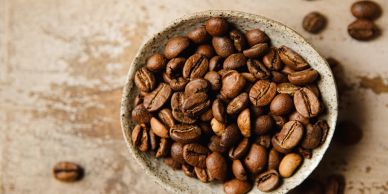
Alongside fibre, many plant foods contain polyphenols, compounds that also appear to support microbial health. Coffee is a particularly interesting example. While most people think of it purely as a caffeine source, it is actually one of the richest contributors of polyphenols in many Western diets.

Long before probiotics became a billion-pound industry, humans were consuming fermented foods as a normal part of life.
Foods such as kefir, live yoghurt, kimchi, sauerkraut and miso introduce beneficial compounds into the diet and may help support microbial diversity.
Modern research has renewed interest in these traditional foods, with studies suggesting that regular consumption can increase microbiome diversity while also influencing markers of inflammation.
The lesson here isn't that everyone needs another supplement. Sometimes the oldest approaches remain some of the most effective.

Starchy foods often get caught up in nutritional debates, but the real question isn't whether you should eat starches. It's what type you're eating and what happens to them once they've been prepared.
Foods such as potatoes, rice, oats, beans and lentils can all play a role in a healthy diet. Even better, some can be transformed into a richer source of resistant starch simply by cooking and cooling them before eating.
Resistant starch escapes digestion in the small intestine and reaches the colon, where it becomes fuel for gut bacteria. This fermentation process helps produce beneficial compounds such as butyrate, which is associated with gut barrier integrity and metabolic health.
Something as simple as cooled potatoes in a salad or leftover rice used the following day can provide benefits beyond basic nutrition.

Protein remains important for maintaining muscle mass, supporting recovery and promoting satiety, particularly as we age.
However, quality matters just as much as quantity. Eggs, fish, seafood, meat, Greek yoghurt, tofu, tempeh, beans and lentils all provide valuable sources of protein alongside other nutrients that support health.
Rather than chasing ever-higher protein targets, a more balanced approach is to ensure each meal contains a meaningful source of protein while leaving plenty of room for vegetables, fibre-rich foods and plant diversity.

Another area that has attracted increasing attention is time-restricted eating.
Research suggests that leaving a longer gap between the evening meal and breakfast may support metabolic health, blood sugar regulation and circadian rhythm alignment.
Importantly, this isn't about starving yourself. A simple twelve-hour overnight fasting window is enough for many people to capture some of the potential benefits. Finishing dinner at 7pm and eating breakfast at 7am is hardly extreme, yet it gives the digestive system a valuable break from the constant cycle of eating that has become normal in modern life.