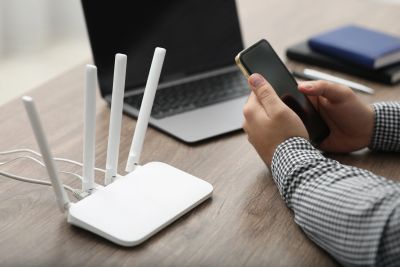
Electromagnetic Fields (EMF) and Radio Frequency Radiation
The evidence surrounding EMFs remains evolving and, in some areas, controversial. However, a growing body of research suggests that radiofrequency radiation from mobile phones, WiFi networks, Bluetooth devices, and other wireless technologies may influence mitochondrial function by increasing oxidative stress and altering cellular signalling.
Some experimental studies have reported increased production of reactive oxygen species (ROS), disruptions in calcium signalling, and reductions in ATP production following prolonged exposure. While the real-world significance of these findings is still being debated, mitochondria appear to be particularly sensitive to environmental stressors, and EMF exposure may represent one additional contributor to the cumulative burden placed on cellular energy systems.
The important point is not whether EMFs are the sole cause of disease, but whether reducing unnecessary exposure can help lower overall stress on the body. Given how simple many mitigation strategies are, a precautionary approach may be sensible.
Minimise Electromagnetic Exposure Where Practical
You don't need to eliminate technology. The goal is simply to reduce unnecessary exposure where it's easy to do so.
Practical strategies include:
- Avoidcarrying your phone directly against your body for extended periods. Use a bag, jacket pocket, or place it on a desk whenever possible.
- Usespeakerphone, wired earphones, or text messaging for longer conversations.
- Avoidmaking calls in areas with poor signal, as phones emit more radiation when working harder to connect.
- Keepmobile devices out of bedrooms where possible.
- Avoidsleeping with your phone on the bedside table. Place it several feet away or switch it to airplane mode overnight.
- Turnoff WiFi routers overnight if practical.
- Removeunnecessary wireless devices from sleeping areas (such as Alexa)
- Whenever possible, favour wired internet connections for workstations and home offices.
- Take regular breaks from wearable technology and minimise unnecessary Bluetooth use.
Whether the benefits come from reduced electromagnetic exposure, improved sleep, reduced stress, or a combination of all three, these simple habits can help create a more recovery-focused environment and support long-term mitochondrial resilience.